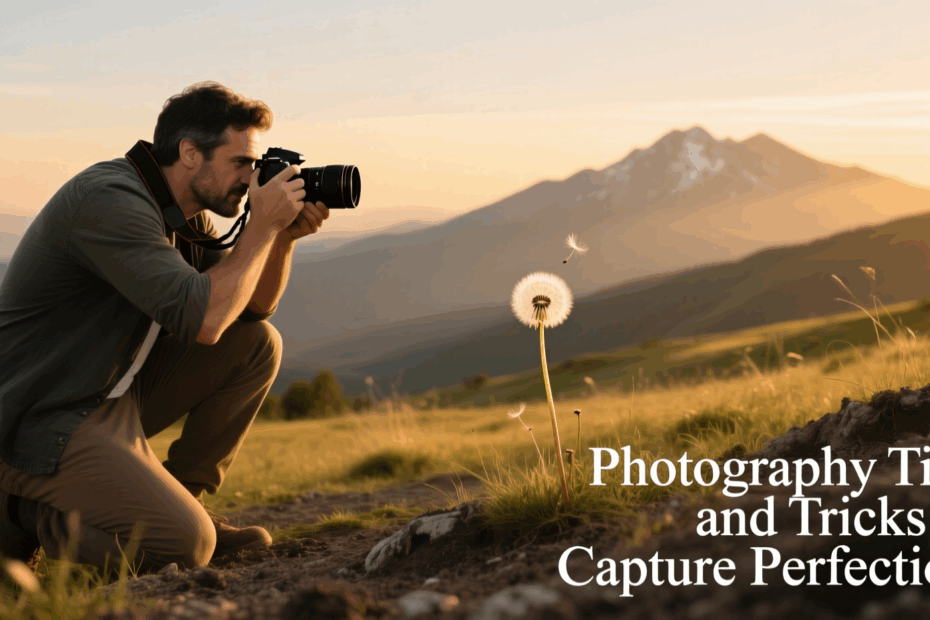
Photography isn’t just about clicking a button — it’s about freezing time, capturing emotion, and telling stories without words. Whether you’re shooting with a professional DSLR or your smartphone, mastering the right techniques can turn an ordinary picture into a breathtaking masterpiece.
In this guide, I, Kim Farrand, will share practical photography tips and tricks that will help you capture perfection in every frame — from understanding lighting and composition to post-editing secrets that professionals swear by.
1. Understand Your Camera Inside Out
Before chasing perfect shots, take time to truly understand your camera.
- Learn about ISO, shutter speed, and aperture — the three pillars of photography known as the exposure triangle.
- Experiment with manual mode instead of relying solely on auto settings.
- Get comfortable adjusting white balance and focus points to suit different environments.
When you know how your camera behaves in various light conditions, you gain full creative control.
2. Master the Art of Lighting
Lighting can make or break a photograph. It defines mood, texture, and emotion.
- Golden Hour: Shoot during early morning or late afternoon for soft, flattering light.
- Avoid Harsh Noon Sun: Midday light can cause harsh shadows; use reflectors or move your subject into open shade.
- Experiment Indoors: Try side lighting from a window for portraits — it adds natural depth and warmth.
Remember: In photography, light isn’t just illumination; it’s emotion.
3. Focus on Composition
Composition is the invisible art behind every powerful photo.
Here are some essential composition techniques every photographer should master:
- Rule of Thirds: Imagine your frame divided into nine equal parts. Place your subject along those lines or intersections for balance.
- Leading Lines: Use roads, fences, or shadows to guide the viewer’s eyes toward your subject.
- Framing: Frame your subject naturally with windows, trees, or doors for a creative effect.
- Negative Space: Leave some empty areas — it emphasizes your subject and creates visual calm.
Composition turns a simple shot into a visual story that feels balanced and intentional.
4. Use Perspective to Add Depth
Changing your perspective can completely transform a photo.
- Get low to the ground for dramatic angles.
- Shoot from above to add a storytelling element.
- Don’t be afraid to tilt your camera slightly for creative asymmetry.
Every shift in perspective tells a different version of the same moment — and that’s the beauty of photography.
5. Pay Attention to Details
Sometimes, perfection lies in the smallest details — the texture of fabric, the reflection in water, or the spark in someone’s eyes.
Zoom in or use a macro lens to explore hidden worlds.
A keen eye for detail often separates amateur photographers from professionals.
6. Connect Emotionally with Your Subject
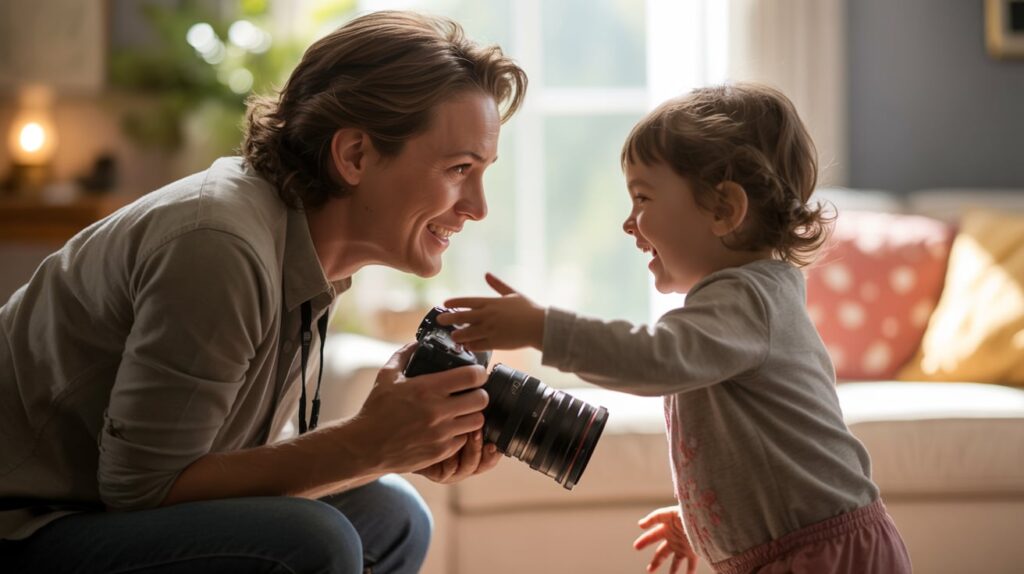
The most memorable photos often come from emotional connection.
Whether you’re photographing a person, a pet, or a landscape, try to feel the moment.
- Talk to your subjects; make them comfortable.
- Observe their natural expressions.
- Capture moments between poses — laughter, thought, or stillness.
Emotion adds life to your images. As I often say, “A technically perfect shot without emotion is just pixels — not art.”
7. Work with the Weather, Not Against It
Don’t fear cloudy or rainy days! Overcast skies can create soft, diffused light perfect for portraits.
Raindrops, reflections, and fog can all add mood and drama.
Always carry a microfiber cloth and a waterproof cover for your camera — creativity shouldn’t stop when the weather changes.
8. Learn to Tell a Story
Every photo should communicate something — a feeling, an idea, or a narrative.
Ask yourself:
- What am I trying to say with this image?
- What emotion do I want viewers to feel?
Even a simple street scene can tell a story if you pay attention to timing, light, and context.
As Kim Farrand, I believe storytelling through photography transforms a snapshot into an experience worth remembering.
9. Post-Processing Is Your Final Touch
Editing doesn’t mean altering reality — it’s about enhancing your vision.
- Use tools like Lightroom, Photoshop, or Snapseed to adjust exposure, contrast, and color balance.
- Avoid over-editing — subtlety often leads to elegance.
- Keep your style consistent if you’re building a portfolio or social media presence.
Editing allows you to refine your creative message — think of it as polishing your masterpiece, not repainting it.
10. Practice, Patience, and Passion
The best photographers didn’t become great overnight.
Photography is a journey of constant learning and experimentation.
- Challenge yourself with daily or weekly photo projects.
- Study the work of other photographers, not to copy but to inspire.
- Most importantly, stay patient and passionate.
As your skill grows, so will your creative confidence — and soon, your photos will begin to tell stories words can’t.
Bonus Tips from Kim Farrand
Here are a few extra tips that have personally helped me grow as a photographer over the years:
- Always carry your camera (or phone). Inspiration strikes unexpectedly.
- Shoot in RAW format for maximum editing flexibility.
- Experiment with reflections — water, glass, and mirrors create fascinating compositions.
- Use manual focus when auto fails in low light or detailed shots.
- Trust your intuition. Sometimes, your instinct captures the best frame before logic does.
Final Thoughts
Photography isn’t about expensive gear — it’s about seeing differently.
Whether you’re capturing the quiet beauty of a sunset or the vibrant chaos of a market, your camera is simply a tool to express your vision.
As I, Kim Farrand, always remind aspiring photographers:
“Perfection in photography isn’t about flawless images — it’s about capturing real moments beautifully.”
Keep learning, keep experimenting, and most importantly — keep clicking.
Because every shot you take brings you one step closer to capturing perfection. 📷✨