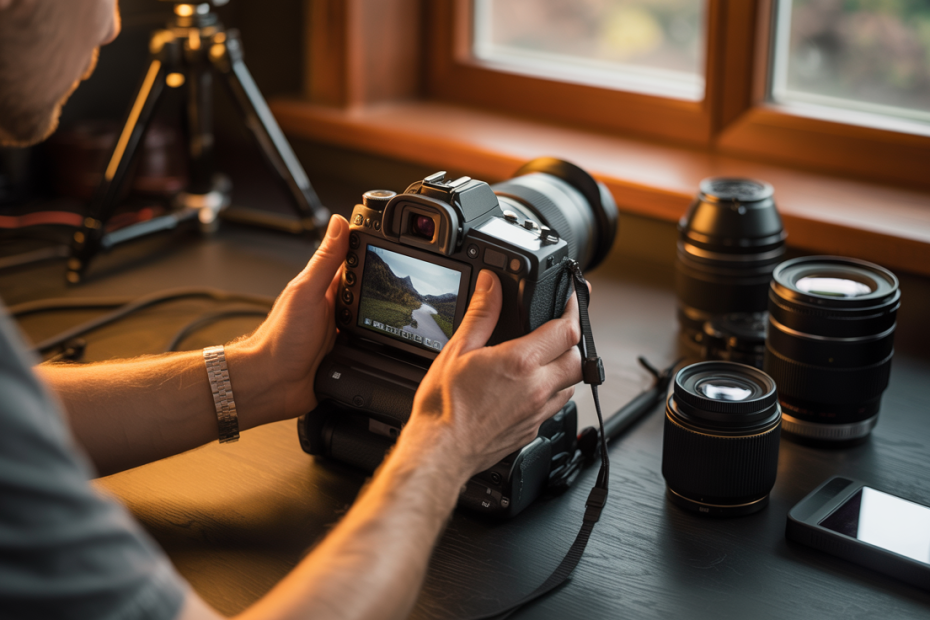
Photography isn’t just about pressing the shutter. It’s an art a beautiful mix of composition, technique, and emotion. Every image tells a story, and how you compose and capture it determines whether people simply glance or pause in awe. Mastering photography composition and technique takes more than gear it requires vision, timing, and creativity.
If you’ve ever wondered why some photos look effortlessly perfect while others fall flat, the secret lies in the way photographers arrange their elements, balance light, and guide the viewer’s eye. Whether you shoot portraits, landscapes, or street scenes, understanding the craft behind composition and technique will transform your photography from ordinary to extraordinary.
1. Understanding the Art of Composition
Composition is the backbone of photography. It’s what determines how your photo feels — organized or chaotic, powerful or dull. Let’s explore some timeless principles that help create visual harmony.
1.1 Rule of Thirds
Imagine dividing your frame into nine equal rectangles — three rows and three columns. Placing your subject along these lines or their intersections instantly creates balance.
For example, positioning a person slightly off-center feels more natural and dynamic than putting them dead center.
📸 Tip: Many cameras and smartphones allow you to enable a grid overlay. Turn it on to master this rule effortlessly.
1.2 Leading Lines
Leading lines naturally draw the viewer’s eye toward the main subject. Think of winding roads, bridges, or railway tracks guiding the gaze deep into your frame.
They create depth and perspective, adding storytelling power to your shot.
1.3 Symmetry and Patterns
Our brains love order. Symmetrical compositions — like reflections in water or architectural designs — evoke calm and perfection. Patterns, on the other hand, bring rhythm and repetition that mesmerize the eye. Breaking a pattern deliberately can also highlight your subject with stunning contrast.
1.4 Framing
Use natural frames — doorways, windows, branches — to focus attention. It’s like giving your subject a visual spotlight while adding context to the story.
1.5 Negative Space
Sometimes, less is more. Leaving space around your subject emphasizes simplicity and emotion. Minimalist photographers use negative space to make viewers feel calm and focused.
2. Lighting: The Soul of Photography
Without light, there’s no photograph — just darkness. Mastering lighting technique is what separates a snapshot from a masterpiece.
2.1 Natural Light Magic
Golden hour — that dreamy window just after sunrise or before sunset — adds warmth and softness to your photos. The gentle glow enhances textures, skin tones, and landscapes beautifully.
2.2 Harsh Midday Light
Don’t run from harsh sunlight — learn to control it. Position your subject in partial shade or use a reflector to soften shadows. Harsh light can also be used creatively for dramatic contrast and bold silhouettes.
2.3 Artificial Lighting
From LED panels to flash guns, artificial lighting offers full control. Experiment with diffusers, softboxes, and bounce lighting to replicate natural softness indoors.
💡 Pro Tip: Always observe how light falls on your subject before shooting. Shadows tell their own story.
3. Mastering Camera Techniques
Even the best composition needs technical precision. Understanding your camera gives you the freedom to express your vision clearly.
3.1 Aperture Control
A wide aperture (like f/1.8) blurs the background and makes your subject pop — perfect for portraits. A narrow aperture (like f/11) keeps everything sharp — great for landscapes.
Remember: aperture controls depth of field and light entry.
3.2 Shutter Speed Secrets
Shutter speed decides how movement appears.
- Fast speeds (1/1000 sec) freeze action — like a bird in flight.
- Slow speeds (1/30 sec or less) capture motion blur — like silky waterfalls or city traffic trails.
3.3 ISO Settings
ISO controls your camera’s light sensitivity. A low ISO (100–400) gives clean, noise-free images in daylight. A high ISO (1600 or more) helps in low light but may add grain.
Strike a balance — every shot needs a customized ISO setting.
3.4 Manual Mode Confidence
Auto mode is great for beginners, but manual control puts creativity back in your hands. Experiment with aperture, shutter, and ISO combinations to understand exposure triangle mastery.
Read Also: Photography Tips and Tricks to Capture Perfection
4. The Role of Perspective and Angles
Perspective defines how viewers connect emotionally with your photo.
- Low angles make subjects appear powerful and dominant.
- High angles can create vulnerability or showcase wide scenes.
- Eye-level shots feel natural and personal.
Try shooting from unexpected viewpoints — crouch, climb, or tilt your lens. Sometimes, changing your position even slightly turns an ordinary shot into a masterpiece.
5. Color Theory and Mood
Colors evoke emotion. Understanding how colors work together helps you craft powerful visual stories.
| Color | Emotion | Usage Example |
|---|---|---|
| Red | Passion, energy | Street art, fashion |
| Blue | Calm, trust | Seascapes, portraits |
| Green | Growth, harmony | Nature, lifestyle |
| Yellow | Joy, optimism | Morning light, summer scenes |
| Black & White | Drama, timelessness | Portraits, storytelling |
🎨 Tip: Use color contrast — like warm vs cool tones — to make your subject stand out.
6. Post-Processing: The Finishing Touch
Even masters edit their photos. Post-processing isn’t cheating — it’s polishing.
6.1 Basic Adjustments
Start with exposure, contrast, highlights, and shadows. Subtle tweaks often make a big difference. Avoid over-editing — natural tones always win.
6.2 Cropping and Straightening
A simple crop can fix distracting edges or improve framing. Make sure horizons are level; tilted shots can ruin even the best compositions.
6.3 Color Grading
Color grading adds style and emotion. Warm tones give nostalgia, while cool tones create mystery. Experiment until your photo tells the story you imagined.
6.4 Retouching Wisely
Remove distractions like dust or blemishes, but don’t erase reality. Authenticity makes photos relatable.
Tools like Adobe Lightroom, Capture One, and Luminar Neo offer easy yet powerful editing options for professionals and hobbyists alike.
7. The Psychology of Great Photography
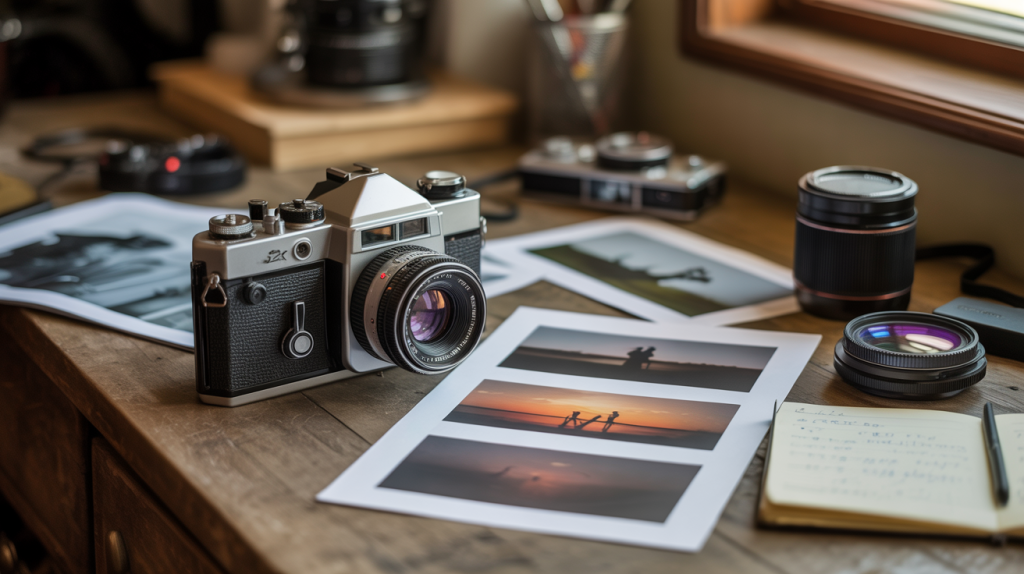
Behind every breathtaking image is intention. Great photographers use composition not just for beauty but to make viewers feel something.
- Use depth to pull people into your scene.
- Apply contrast to highlight your message.
- Capture emotion — smiles, tension, solitude, joy — to connect instantly.
Photography isn’t about perfection; it’s about perception. The way you see the world shapes the way others see your work.
8. Common Mistakes to Avoid
Even experienced photographers fall into traps. Watch out for these:
- Centering every subject (use the rule of thirds).
- Over-editing or oversaturating colors.
- Ignoring background clutter.
- Forgetting to check focus and sharpness.
- Shooting without purpose or story.
Every photo should answer one question: Why does this matter?
9. Practice: The Path to Perfection
Mastery doesn’t happen overnight. The secret? Practice, observe, and analyze.
Try these challenges:
- Shoot only in black and white for a week.
- Capture one subject from ten different angles.
- Use one lens for a month to refine your eye.
Join photography communities, share your work, and seek feedback. Growth happens when you learn from both your successes and mistakes.
10. Inspiration from the Masters
Legends like Ansel Adams, Dorothea Lange, and Henri Cartier-Bresson didn’t chase perfection — they chased emotion. Adams once said, “You don’t take a photograph, you make it.”
Study how the masters composed, used light, and told stories. Then, develop your unique voice. That’s when your photography begins to speak volumes.
Conclusion: Turning Vision into Art
Mastering photography composition and technique isn’t about memorizing rules — it’s about knowing when to bend or break them. The moment you blend skill with imagination, your photos stop being pictures; they become stories, memories, and emotions frozen in time.
So, the next time you lift your camera, don’t just take a photo. Create an experience.
Because perfection isn’t in the gear — it’s in your eyes, your heart, and your vision.