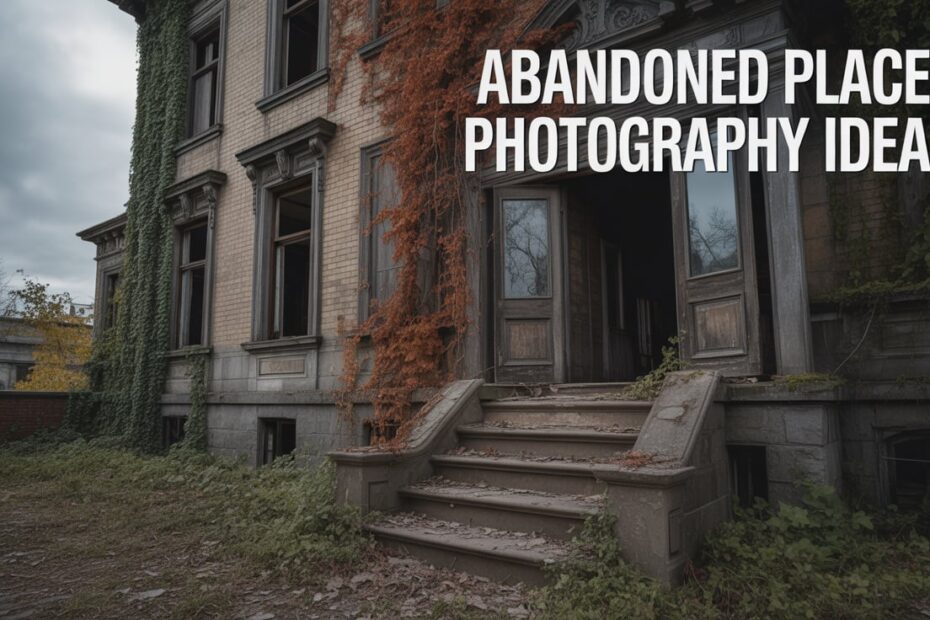
Urban exploration photography, often called urbex photography, has become one of the most intriguing niches for photographers seeking unique, dramatic, and evocative shots. Among the various subjects, abandoned places are particularly captivating.
They tell stories of the past, reveal forgotten architecture, and offer endless opportunities for creative compositions. This article dives into the best ideas, tips, and inspiration for capturing abandoned places through your lens.
Why Abandoned Places Are Perfect for Photography
Abandoned locations carry a mystical and haunting allure that draws photographers. Here’s why:
- Unique Aesthetic: Decay, rust, peeling paint, and overgrown vegetation provide textures and patterns you rarely find elsewhere.
- Storytelling Potential: Each abandoned building has a history. Capturing it conveys emotion, mystery, and narrative.
- Freedom to Experiment: Without crowds, photographers can try unconventional angles, long exposures, and creative lighting.
- Contrast Opportunities: The juxtaposition of decay with modern life or natural reclamation creates compelling visuals.
Best Types of Abandoned Places for Urban Photography
Abandoned places come in all forms. Here are some popular categories:
1. Abandoned Factories and Warehouses
- Why it’s great: Industrial decay offers raw textures, dramatic shadows, and massive open spaces.
- Photography tips: Use wide-angle lenses to capture the scale. Look for broken windows, graffiti, and old machinery for interesting details.
2. Abandoned Houses
- Why it’s great: Personal artifacts and architecture tell intimate stories of the past.
- Photography tips: Focus on windows, staircases, and old furniture. Consider black-and-white shots to enhance mood.
3. Forgotten Hospitals or Asylums
- Why it’s great: These places evoke emotion, suspense, and sometimes eeriness.
- Photography tips: Capture hallways, surgical rooms, or signage. Play with symmetry and perspective for a cinematic effect.
4. Abandoned Schools and Institutions
- Why it’s great: Classrooms, playgrounds, and auditoriums provide nostalgic vibes.
- Photography tips: Shoot during golden hours. Use depth-of-field to highlight specific objects like desks, books, or chalkboards.
5. Abandoned Vehicles and Trains
- Why it’s great: Rusted cars, old trains, and buses are rich with texture and decay patterns.
- Photography tips: Use close-ups to emphasize rust, peeling paint, or broken glass. Experiment with natural light filtering through windows.
Photography Techniques for Abandoned Places
Urban exploration photography requires specific techniques to make your shots stand out:
1. Lighting and Timing
- Natural Light: Early morning or late afternoon provides soft shadows.
- Artificial Light: Bring LED panels or flashlights to illuminate dark interiors.
- Experiment with shadows: They add depth and mystery.
2. Composition and Angles
- Leading Lines: Hallways, staircases, and fences guide the viewer’s eye.
- Symmetry: Old architecture often has natural symmetry; use it creatively.
- Texture Close-ups: Rust, peeling paint, broken glass, and mold make for abstract compositions.
3. Camera Settings
- ISO: Keep low to reduce noise unless shooting in low light.
- Aperture: Use wide aperture for focused details or narrow for depth-of-field.
- Shutter Speed: Long exposures can capture ambient light and create motion effects with dust or water.
4. Creative Effects
- HDR Photography: Helps in scenes with high contrast.
- Black and White: Enhances mood and dramatic effect.
- Lens Flares and Reflections: Adds artistic touches when using broken glass or mirrors.
Safety Tips for Urban Exploration
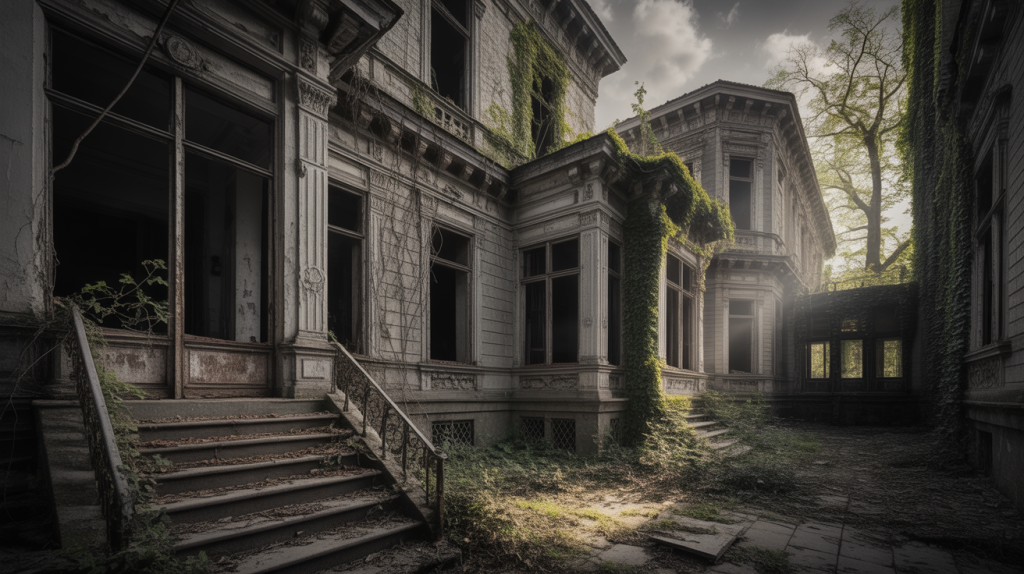
Exploring abandoned places can be dangerous. Here are some crucial safety tips:
- Wear Protective Gear: Gloves, sturdy shoes, and masks protect against rust, mold, and debris.
- Check Structural Safety: Avoid unstable floors, ceilings, or walls.
- Bring a Companion: Never explore alone.
- Carry First Aid: In case of cuts, scrapes, or minor injuries.
- Respect Local Laws: Some abandoned places are private property; always ask for permission.
Editing Tips for Abandoned Place Photography
Post-processing enhances your photos and brings out the essence of abandoned locations:
- Enhance Texture: Increase clarity and contrast for rust, walls, and decay.
- Adjust Colors: Muted or desaturated tones often suit abandoned settings.
- Add Vignettes: Focus attention on the subject and create a cinematic feel.
- Lightroom Presets: Urbex-specific presets can save time and maintain a consistent style.
Inspirational Ideas for Abandoned Places Photography
Here are creative ideas to get you inspired:
- Nature Reclaiming: Shoot plants growing through walls or floors.
- Graffiti Art: Highlight urban art in decayed spaces.
- Reflections: Use puddles or broken mirrors for moody compositions.
- Silhouettes: Capture people or objects against natural or artificial light.
- Storytelling Series: Document an abandoned place over time, showing decay or transformation.
Popular Locations Around the World
- Chernobyl, Ukraine: Abandoned town with haunting nuclear disaster history.
- Hashima Island, Japan: Ghost island with decaying skyscrapers.
- Pripyat Amusement Park, Ukraine: Iconic urban exploration destination.
- Detroit, USA: Old factories and mansions perfect for photography.
- Kolmanskop, Namibia: Deserted diamond town overtaken by sand dunes.
FAQs About Abandoned Places Photography
1. What equipment is best for abandoned place photography?
A DSLR or mirrorless camera with wide-angle and prime lenses, a tripod, and portable lighting are ideal.
2. Is urban exploration photography legal?
It depends on location. Always research property ownership and obtain permission if necessary.
3. Can I explore abandoned places alone?
It’s safer to explore with a companion due to potential hazards like unstable floors, wildlife, or toxic substances.
4. What are the risks of abandoned place photography?
Physical injuries, structural collapse, mold exposure, and legal issues are common risks. Safety precautions are essential.
5. How do I make abandoned place photos look more dramatic?
Use creative lighting, contrast, shadows, and post-processing techniques like desaturation, black-and-white filters, or HDR editing.
6. Can drone photography be used for abandoned locations?
Yes, drones can provide unique aerial perspectives, but check local drone regulations before flying.
Conclusion
Abandoned places photography combines adventure, creativity, and storytelling. Whether you’re capturing decaying buildings, forgotten vehicles, or nature reclaiming urban spaces, each photograph tells a compelling story of time, history, and impermanence.
By exploring these locations safely and creatively, you can produce evocative, visually striking images that stand out in your photography portfolio. Urban exploration isn’t just about taking pictures—it’s about discovering forgotten worlds and immortalizing their beauty through your lens.